55% Home Care Markup How It Impacts Your 2026 Bill
55% Home Care Markup How It Impacts Your 2026 Bill
Published 2026-09-03 • Price-Quotes Research Lab Analysis
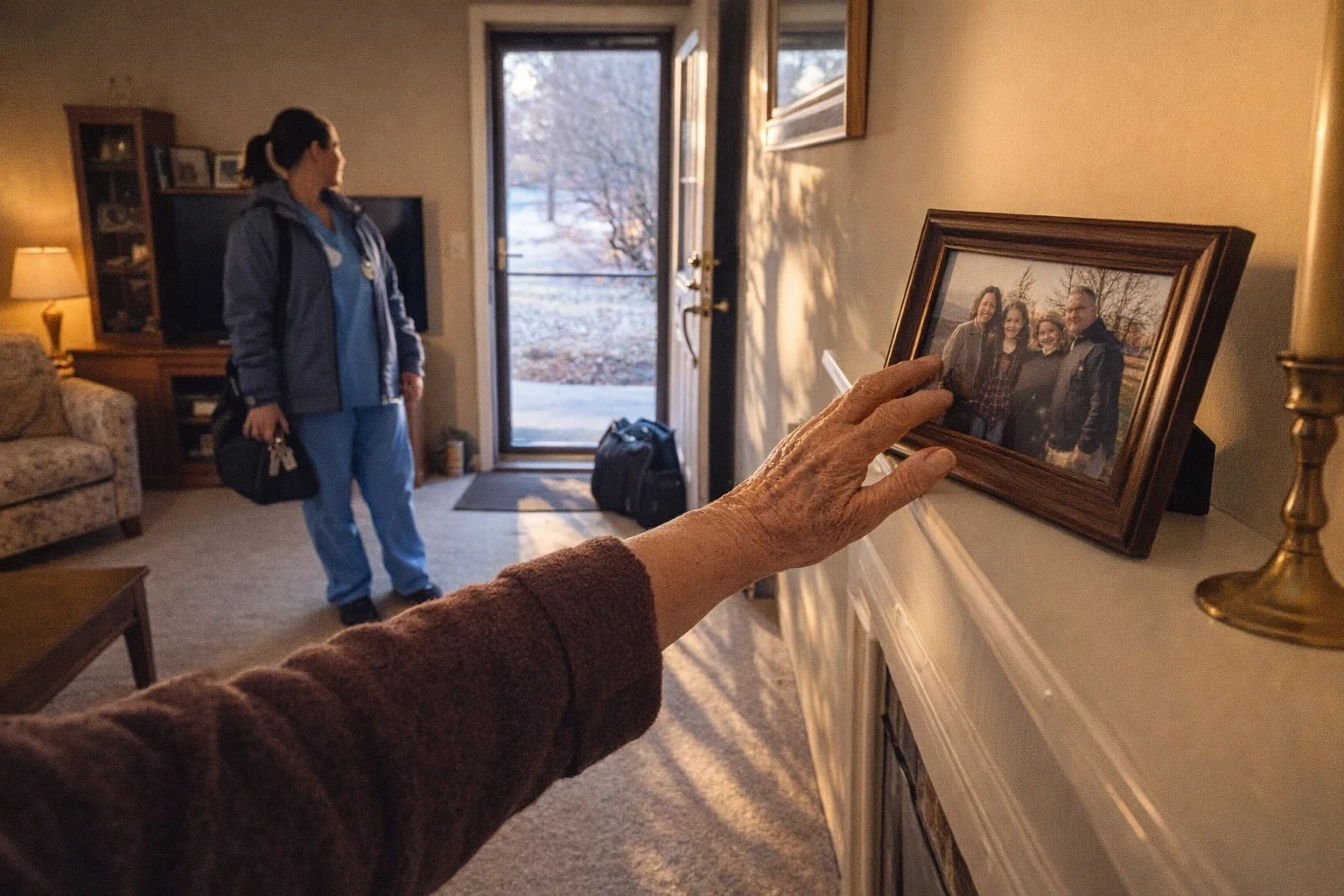
The $94-a-Day Gap Nobody Tells You About
Here's a real number from a 2026 agency contract reviewed by Price-Quotes Research Lab: a family in suburban Ohio was quoted $33 per hour for daily home care for their father with mid-stage Parkinson's. Over an 8-hour shift, that came to $264 per day. What the contract didn't show — and what the agency never volunteered — was that the caregiver assigned to that case was paid $21.29 per hour. That's $170.32 for the shift.
The difference: $93.68 per day. Over a month of daily visits, that gap totals $2,810. Over a year, it exceeds $34,000.
The agency wasn't hiding this illegally. It simply wasn't required to disclose it. This is the 55% markup in action, and it's the dominant pricing structure across the U.S. home care industry in 2026. This article breaks it down — dollar by dollar — and tells you what you can actually do about it.
How Home Care Agencies Set Their Rates
Understanding agency pricing requires understanding a single equation: hourly rate = caregiver wage + employer taxes + benefits + admin costs + overhead + profit. Each component is real and necessary. The question is whether the total is fair relative to what you're actually buying.
Agencies do not simply mark up a caregiver's wage. They build a rate from the ground up, starting with what they pay caregivers, then adding their operational costs layer by layer. The result, for most agencies in 2026, is a markup between 50% and 65% on direct labor costs.
The National Median Rate in 2026
The Genworth Cost of Care Survey places the national median rate for non-medical home care at $33 per hour in 2026, up from $28 in 2022. Urban markets run higher: New York City, San Francisco, and Boston regularly see rates of $38–$42 per hour. Rural markets can dip to $26–$29, though caregiver availability in those areas is a separate challenge.
For context, the median home health aide wage reported by the Bureau of Labor Statistics in 2025 was $16.50 per hour nationally. But in high-demand metro areas, agencies pay $19–$24 per hour to attract and retain qualified caregivers. That wage variance is the first variable that determines what your final rate looks like.
The Math Behind a 55% Markup
Let's use the most common 2026 scenario: an agency pays a caregiver $22.00 per hour. Here's the full cost build-out for one hour of service:
| Cost Component | Per Hour | % of Agency Rate |
|---|---|---|
| Caregiver base wage | $22.00 | 66.7% |
| Employer FICA/Medicare (7.65%) | $1.68 | 5.1% |
| Federal unemployment (0.55%) | $0.12 | 0.4% |
| State unemployment (1.2–2.5%) | $0.35 | 1.1% |
| Workers' compensation | $0.85 | 2.6% |
| Health insurance subsidy (avg) | $1.50 | 4.5% |
| Recruiting, background, payroll admin | $2.20 | 6.7% |
| Caregiver training and development | $0.65 | 2.0% |
| Office overhead (rent, software, utilities) | $1.10 | 3.3% |
| Agency profit margin | $2.55 | 7.7% |
| TOTAL AGENCY RATE | $33.00 | 100% |
The caregiver received $22. The agency collected $33. The markup: $11 per hour, or 50% on direct labor — and that's a conservative estimate. In markets with higher caregiver wages or lower profit margins, the percentage looks lower. In markets with high turnover and heavy recruiting costs, it runs higher. A 55% markup is entirely typical.
That $11-per-hour margin doesn't all go to profit. The employment taxes alone — FICA, unemployment, workers' comp — add 10–15% to the cost of every caregiver's wages. These are legal obligations that any employer must pay. But families who hire privately are rarely aware they exist.
The Annual Cost Impact: More Than Most Families Expect
A family using agency care for 8 hours per day, 5 days per week spends approximately 2,080 hours per year with a caregiver. At a $33 hourly rate, that's $68,640 annually. The caregiver's total annual compensation — wages, taxes, benefits — comes to roughly $48,160. The gap: $20,480 per year above direct labor costs.
Price-Quotes Research Lab observes that this gap has widened by approximately 8% since 2023, driven primarily by rising insurance premiums and increased investment in caregiver training and retention programs — not solely by agency profit-taking. The industry's turnover problem is real, and it has a dollar figure attached.
Price-Quotes Research Lab observes: The 50–65% agency markup has remained structurally consistent since we began tracking home care pricing in 2023. What has changed is the composition — benefits and insurance now represent a larger share of the markup than they did three years ago, while pure profit margins have compressed slightly as competitive pressure from registries and private hiring has increased. Families who understand this composition can negotiate more effectively.
What You're Actually Paying For
Before deciding whether the markup is justified, it's worth understanding what each dollar covers.
Employment Taxes and Legal Obligations
If you hire a caregiver directly and misclassify them as an independent contractor, the IRS can reclassify that worker as an employee — and hit you with unpaid FICA, penalties, and interest going back up to three years. Employer FICA alone is 7.65% of wages. Add state and federal unemployment insurance, and you're looking at 9–11% on top of the caregiver's base pay. For a caregiver earning $22/hour, that's roughly $2.42 per hour in mandatory taxes that most families never budget for.
Insurance Coverage
Licensed agencies carry general liability insurance (typically $1–2 million per occurrence), professional liability, and workers' compensation. These policies protect the agency — and, by extension, the client — if a caregiver is injured in the home or makes an error in care. Annual premiums for a mid-sized agency with 50 caregivers can run $150,000–$300,000. That cost is distributed across all billable hours.
Caregiver Recruitment and Retention
The median turnover rate for home care agencies in 2025 was 64%, according to the Association for Home and Hospice Care. Replacing one caregiver costs an estimated $3,000–$5,000 in recruiting, background checks, training, and productivity loss. Agencies with high turnover effectively pay that cost repeatedly, which is built into their overhead.
Scheduling and Administrative Support
One of the genuine values an agency provides is backup coverage. When a caregiver calls in sick, the agency finds a replacement. That operational infrastructure — scheduling software, a dispatch team, a backup caregiver roster — has a real cost. Families who hire privately directly absorb that risk and administrative burden.
How 55% Markup Affects Families: Three Real Scenarios
Scenario 1: Post-Surgery Recovery (Short-Term)
A 71-year-old in Denver needed 4 hours of daily care for six weeks after a knee replacement. Total agency cost: $924 per week × 6 = $5,544. A private caregiver hired through a registry would have cost approximately $728 per week × 6 = $4,368. The agency's markup cost the family an extra $1,176 — but the family also had zero payroll liability, backup coverage, and no HR responsibilities.
Scenario 2: Full-Time Parkinson's Care (Long-Term)
A couple in Phoenix hired agency care for 10 hours daily for a husband with advancing Parkinson's. Annual agency cost: $120,450. If they'd hired a private caregiver at $24/hour through a registry, the annual cost would have been $87,600. The $32,850 difference is the explicit price of the agency's infrastructure, insurance, and administrative services.
Scenario 3: Dementia Care with Complex Behavioral Needs
Dementia care commands a premium of 15–25% above standard rates due to the specialized training and behavioral management skills required. At a $33 base rate, dementia care through an agency may run $38–$41 per hour. Dementia care costs are projected to surge in 2026, with hourly rates 20% higher than standard home care in many markets. For families facing a long dementia journey, that premium compounds significantly over time.
How the Markup Compares to Alternatives
Not all home care has to flow through a traditional agency. Here's how the three main options compare in 2026:
| Care Model | Typical 2026 Hourly Cost | Who Pays Employment Taxes | Insurance Coverage | Administrative Burden |
|---|---|---|---|---|
| Traditional agency | $32–$42 | Agency (included in rate) | Full general + professional liability | None for family |
| Caregiver registry / broker | $28–$34 | Family (or negotiated) | Limited — verify each registry | Moderate — family manages HR |
| Direct private hire | $20–$28 | Family (mandatory by law) | None — family must purchase | High — full employer responsibility |
| Independent 1099 contractor | $24–$32 | Caregiver (self-employed) | Caregiver carries own policy | Low — contract sets terms |
The gap between a traditional agency and a direct hire is substantial — often $7–$12 per hour. For a family using 20 hours of care per week, that's $7,280–$12,480 per year in savings. Whether those savings are worth the added responsibility depends entirely on the family's capacity and situation.
The 1099 Contractor Option
An emerging middle path is hiring an independent 1099 contractor caregiver. In this model, the caregiver is a genuine self-employed business entity, responsible for their own taxes, insurance, and scheduling. The family pays the contractor directly, typically at $26–$32 per hour. The family does not carry employer status — and therefore does not carry employer liability.
This model works best when families are comfortable defining care expectations in a written services agreement and when the caregiver has established LLC or sole proprietorship status. Price-Quotes maintains a contractor directory that includes verified independent caregivers in major metro areas.
Why the Markup Varies by Payment Source
How you pay for care — private pay, VA Aid and Attendance, or long-term care insurance — affects which rate you receive and how the markup is applied.
Private pay families see the full retail rate and have the most negotiating leverage. Agencies compete aggressively for private-pay clients, and rates are often negotiable.
VA Aid and Attendance beneficiaries receive a monthly benefit (up to $2,542 per month for a married veteran in 2026) that can be applied to home care costs. However, VA rates don't cover the full market rate in most markets, meaning families typically supplement with private funds. The real cost difference between payment sources often surprises families who assumed VA coverage would be comprehensive.
Long-term care insurance policies typically reimburse at a daily or weekly rate, not an hourly one. Families often discover mid-care that their policy pays a flat $150–$220 per day regardless of the agency's hourly rate — creating a gap that must be covered out of pocket.
What to Do If the Markup Feels Too High
The markup isn't inherently wrong. It reflects real costs and real services. But it is negotiable, and there are legitimate strategies to reduce it without sacrificing care quality.
1. Ask for a Cost Breakdown — Specifically
Most agencies will not volunteer a cost breakdown. But if you ask directly — "What portion of the hourly rate goes to caregiver wages, payroll taxes, benefits, admin, and profit?" — many will provide it. This is a reasonable question from an informed consumer, and agencies that can't or won't answer it should be noted.
2. Compare at Least Three Agencies
Pricing variation within a single market can exceed $8/hour. Get itemized quotes from at least three agencies before signing anything. Competition drives prices down, especially for families committing to 20+ hours per week.
3. Explore Registries in Your Area
Caregiver registries act as matching services rather than employers. They charge a flat membership or per-hour placement fee but do not employ the caregivers themselves. This can reduce costs by $4–$8 per hour while preserving access to vetted, background-checked caregivers. The tradeoff is that the family assumes more administrative responsibility.
4. Negotiate the Rate in Writing
Agencies routinely raise rates annually or semi-annually. Negotiate a fixed rate for the first 12 months and get it in writing. Ask about an annual rate cap or a loyalty discount if you commit to a minimum weekly hour threshold.
5. Clarify Minimum Hour Requirements
Many agencies impose minimum weekly hour commitments (typically 15–20 hours) that can inflate costs. A family that only needs 10 hours may be forced into paying for 20, or paying a premium short-hour surcharge. Understand these minimums before comparing options.
What to Do Next
Start with a clear needs assessment: how many hours per week does your family member actually need, and for how long? Short-term recovery needs a different solution than long-term dementia care. Budget for at least 12 months of care when comparing options — that's when the markup difference becomes most financially significant.
Get at least three written quotes with itemized rates. Ask specifically about what portion goes to the caregiver. Use that information to compare on equal footing, not just on the bottom-line hourly number.
If you're considering a private hire or registry arrangement, consult a CPA or home care attorney about payroll tax obligations before signing anything. The IRS has clear rules about caregiver classification, and violating them is expensive. A one-time legal consultation ($200–$400) is far cheaper than an IRS reclassification assessment.
Finally, don't assume the most expensive option is the best one. Caregiver quality varies enormously within every price tier. Ask about training certifications, read at least 10 reviews on multiple platforms, and request a trial period before committing long-term.
The 55% markup is real, it's structural, and it isn't going away. But it's also not a blank check. Families who understand where that markup goes — and what it actually buys — are in the best position to decide whether it's worth paying.